The City of Coquitlam has adopted new medium-density zones following a public hearing on April 27, 2026, to align with provincial housing legislation.
Coquitlam has long been a leader in housing, advancing proactive strategies to address supply and affordability challenges. As the City implements the required provincial changes, we will continue to support a mix of housing types in Coquitlam, including new purpose-built rental housing.
Proposed changes to high-density zones will be addressed in a future report to Council and included on this page at that time.
To implement provincially required changes, proposed updates include replacing the current RM-3 zone that uses Density Bonus with two new medium-density apartment residential zones - RA-1 for outside Transit-Oriented Areas and RA-2 for inside Transit-Oriented Areas. These proposed new zones:
- Maintain similar density to the current RM-3 zone, except where provincial Transit-Oriented Area minimum densities apply; and
- Allow up to 1.85 or 2.4 FAR (depending on location) for both rental and strata tenure. Over these densities, 100% rental tenure is allowed.
RA-2 is intended to be used in Transit-Oriented Areas and therefore, has higher densities than RA-1 to meet provincial requirements for minimum densities.
In some Neighbourhood Centre areas, the current C-5 zone allows mixed-use development (commercial at street level with housing above) at both medium- and high-densities. This means a single zone currently permits two different building types or forms.
To implement provincially required changes, proposed updates include replacing the C-5 zone applicable to medium-density with a new mixed-use medium-density zone (MU-1) for use in appropriate neighbourhood centres. This new zone:
- Allows for similar densities as other medium-density areas;
- Allows for up to 2.5 FAR for strata or rental tenure. If over 2.5 FAR, 100% rental tenure is allowed, as shown in Figure 1; and
- Maintains a commercial requirement to support an active street with businesses on the ground floor.
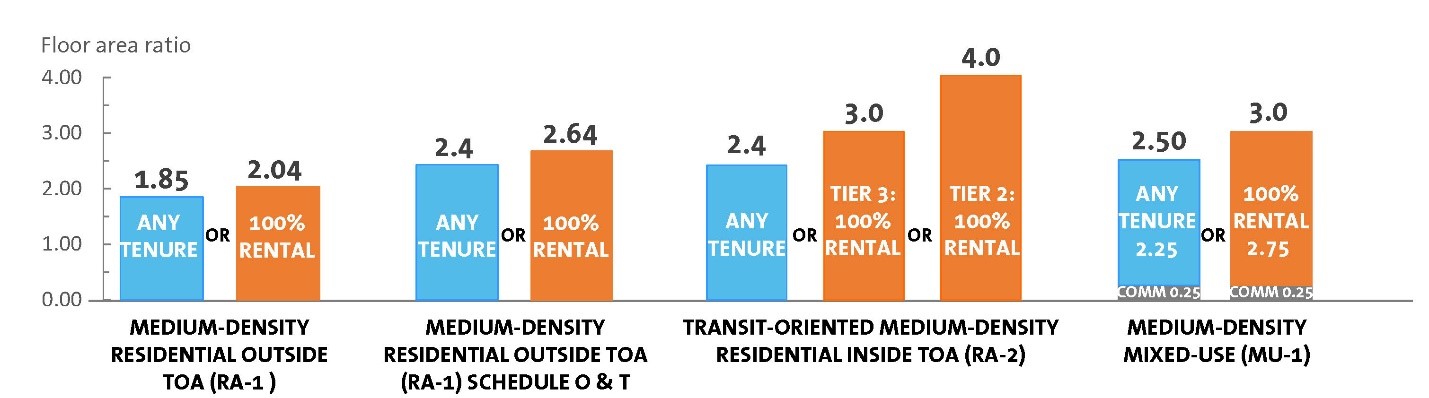
Figure 1: Proposed Medium-Density Residential Zones and Maximum Densities
Medium-Density Rental Incentives Q & A
Before the bylaw goes to Council, we invite you to ask questions and share input. Submissions are open until Tuesday, March 10 at 12 p.m.
To ask a question you must create an account or log in.
These are the people that are listening and responding to your questions.
Community Planning
Housing and Social Policy Team
{{question.description}}
Stay Informed
Click the "Follow" button at the top of the page, join the Coquitlam Current e-newsletter mailing list and follow us on social media for updates and opportunities for community input.