High-Density Zoning Updates and Density Bonus Bylaw Adoption
Council adopted OCP and Zoning Bylaw amendments to update density bonus provisions and rental incentives in high-density residential zones on June 22. These changes implement the updated density bonus provisions and rental incentives for zones in high-density areas.
The changes are intended to align with new provincial housing legislation, support the development of complete communities near transit, and encourage the creation of purpose-built rental housing, including below- and non-market housing.
The proposed changes do not affect existing buildings. They apply if properties choose to redevelop in the future.
The City is preparing updated documentation on the rental incentives in high-density zones. In the meantime, residents can learn more by reviewing the information below and the Council reports linked in the sidebar.
Density Bonus and Zoning Changes in High-Density Areas
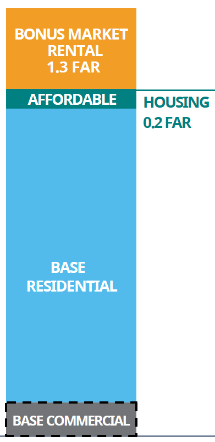
The new density structure, as shown in Figure 1, includes:
- Base density:
- Allows base residential density, typically up to the Transit-Oriented Area minimum, for any residential tenure (i.e. rental or strata units).
- Requires a minimum commercial density in mixed-use areas.
- Bonus density:
- Allows an optional 1.5 FAR of bonus density for secured market rental housing and an affordable housing contribution.
Figure 2 shows the density structure for all high-density zones.
For more details, refer to the May 4, 2026 Council Report and maps identifying the applicable areas.
Figure 1: Proposed Density Approach
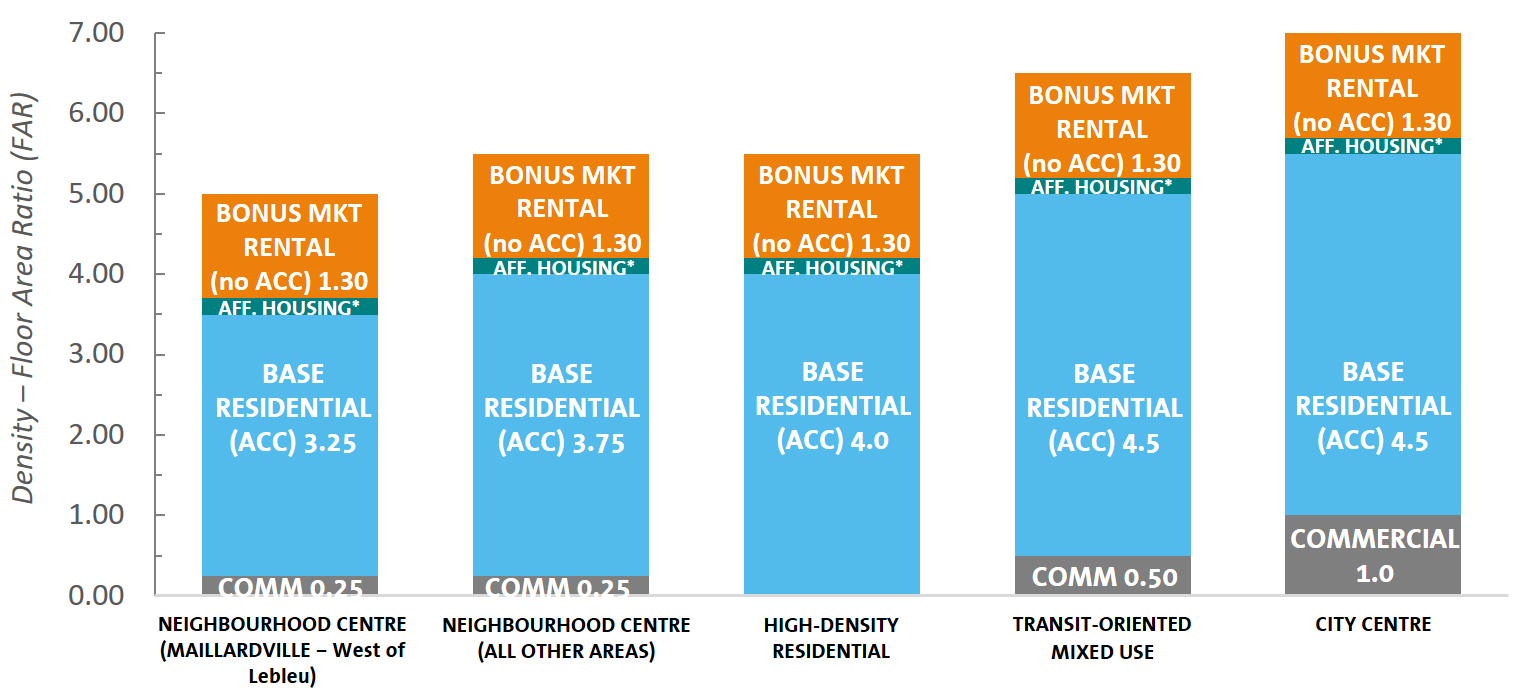
Figure 2: Application of Proposed Approach Across Land Uses
* = Developers that access additional density are required to contribute 0.2 FAR of affordable housing- either by building below-market rental or non-market housing units, or making a 'cash-in-lieu' contribution to the City's Affordable Housing Reserve Fund.
To implement the new approach, new zones have been established for areas already designated for high-density, as shown in Figure 3.
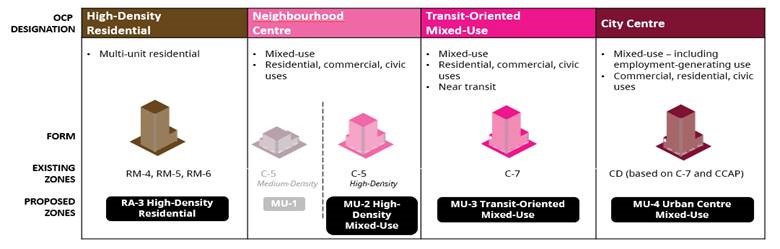
Figure 3: High-Density Land Uses and Zones
The maximum density for each land use is stipulated in the Official Community Plan. No change to maximum densities are proposed through this project.
In Tier 1 of Transit-Oriented Areas, the Province requires a minimum allowable density of 5.0 FAR. To meet this requirement, support the creation of more commercial space (to offer better access to daily services and needs), and maintain the City's rental incentives to provide housing choice, most properties currently designated High-Density Residential in Tier 1 will be redesignated to Transit-Oriented Mixed-Use (see Figure 2).
Please refer to the FAQs on this page and the maps identifying applicable properties for more information.
No other land use changes are proposed through this project.
Under new provincial legislation, the City must adapt the way it incentivizes the construction of in-kind affordable housing units and collects Affordable Housing Reserve Fund (AHRF) contributions. The new approach is intended to achieve similar outcomes to the existing rental incentive program:
Optional Contribution: Affordable housing contributions are provided by developers only when they choose to access bonus density.- Choice of Units or Cash Contribution: If developers choose to access bonus density, there is flexibility for them to provide the affordable housing contribution as follows:
- Units: Construct in-kind below-market rental or non-market housing units;
- Cash: Pay cash in-lieu of delivering in-kind units and build the same density as either market rental or strata housing; or
- Both: A combination of construction of in-kind units and cash-in-lieu payment.
For larger projects, the City will seek in-kind below-market rental or non-market housing units over cash-in-lieu payments to the AHRF.
For more details about the affordable housing contributions will work, refer to the May 4, 2026 Council Report.
High-Density Rental Incentives Q & A
While some of these changes are required by provincial legislation, there is an opportunity for the public to ask questions and provide feedback before the bylaw goes to Council. Submissions are open until May 20 at 12:00pm.
To ask a question you must create an account or log in.
These are the people that are listening and responding to your questions.
Community Planning
Housing and Social Policy Team
{{question.description}}